
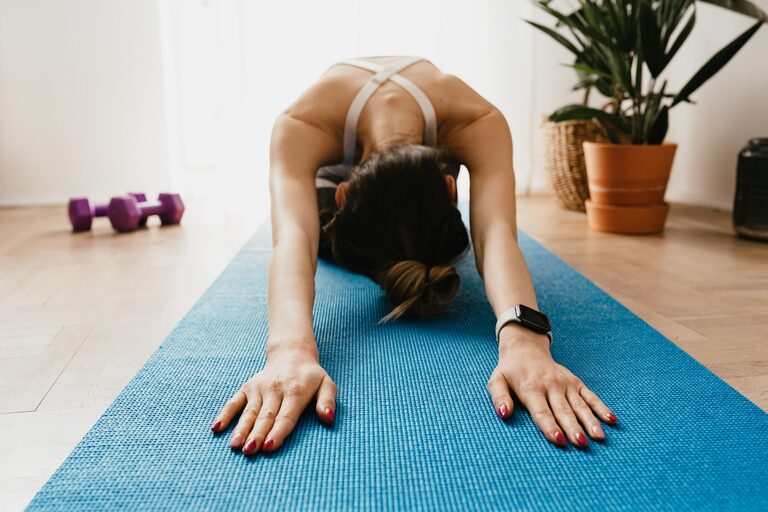
Stretching is a simple, effective way to improve your flexibility, reduce muscle tension, and promote overall health. You don’t need a gym membership or special equipment to start stretching—many exercises can be done comfortably at home. If you’re new to stretching, this guide will help you understand the basics and provide easy routines to get you started.
Why Stretching Matters
Stretching offers several benefits:
– Improves flexibility: Enhances your range of motion, making daily activities easier.
– Reduces muscle stiffness: Helps relieve tension and soreness.
– Supports posture: Loosens tight muscles that can cause poor posture.
– Boosts circulation: Increases blood flow to muscles.
– Promotes relaxation: Can reduce stress and help calm the mind.
Even a few minutes of stretching each day can make a noticeable difference in how your body feels.
When to Stretch
You can stretch at any time, but here are some common moments to consider:
– After waking up: Helps loosen your body and prepare for the day.
– Before or after exercise: Warm-up stretches before workouts reduce injury risk; cool-down stretches aid recovery.
– During breaks: Stretching during work or study breaks refreshes your body.
– Before bed: Gentle stretches can promote relaxation and better sleep.
Basic Stretching Guidelines
To get the most from your stretching sessions, keep these tips in mind:
– Warm up first: Stretch after a light warm-up (like walking or marching in place) to avoid injury.
– Hold each stretch: Aim for 15 to 30 seconds per stretch, holding without bouncing.
– Breathe deeply: Maintain a steady, relaxed breath as you stretch.
– Listen to your body: Stretch to the point of mild tension, not pain.
– Be consistent: Regular stretching brings the best results.
Essential Stretches for Beginners
Below are easy stretches that target major muscle groups and can be done at home without equipment.
1. Neck Stretch
– Sit or stand tall.
– Slowly tilt your head to one side, bringing your ear toward your shoulder.
– Hold for 20 seconds, feeling the stretch along the side of your neck.
– Repeat on the other side.
2. Shoulder Roll and Stretch
– Roll your shoulders forward and backward several times.
– Cross one arm across your chest and use the opposite hand to gently press your arm closer.
– Hold for 20 seconds; switch arms.
3. Chest Stretch
– Stand tall and clasp your hands behind your back.
– Straighten your arms and gently lift your hands upward.
– Open your chest and hold for 20–30 seconds.
4. Cat-Cow Stretch (spine flexibility)
– Get on hands and knees.
– Arch your back (cat pose), tucking your chin toward your chest.
– Then dip your back, lifting your head and tailbone (cow pose).
– Repeat 5–10 times slowly.
5. Seated Forward Bend
– Sit on the floor with your legs extended straight.
– Slowly reach forward toward your toes, keeping your back straight.
– Hold the stretch for 20–30 seconds without forcing.
6. Hip Flexor Stretch
– Kneel on one knee, the other foot in front with the knee bent.
– Push your hips gently forward until you feel a stretch at the front of the hip.
– Hold for 20–30 seconds; switch legs.
7. Hamstring Stretch
– Lie on your back with one leg extended.
– Lift the other leg, keeping it straight, and gently pull it toward you with a strap or towel wrapped around the foot.
– Hold for 20–30 seconds; switch legs.
8. Calf Stretch
– Stand facing a wall with one foot forward and the other leg extended back.
– Keep your back heel on the floor and lean into the wall.
– Hold for 20–30 seconds; switch legs.
Creating a Simple Stretching Routine
Here’s a beginner-friendly routine you can try, taking about 10–15 minutes:
- Neck stretch – 20 seconds each side
- Shoulder stretch – 20 seconds each arm
- Chest stretch – 30 seconds
- Cat-cow stretch – 10 repetitions
- Seated forward bend – 30 seconds
- Hip flexor stretch – 30 seconds each side
- Hamstring stretch – 30 seconds each side
- Calf stretch – 30 seconds each side
Perform the stretches slowly and mindfully, focusing on breathing and how your body feels.
Tips for Staying Motivated
– Set a routine: Stretch at the same time each day, such as morning or evening.
– Use reminders: Set alarms or notes to prompt stretching breaks.
– Combine with other activities: Stretch while watching TV or listening to music.
– Track progress: Notice improvements in flexibility or reduced stiffness.
– Be patient: Flexibility develops gradually; regular practice is key.
When to Be Cautious
Stretching is generally safe but keep these points in mind:
– Avoid bouncing or forcing stretches.
– Stop if you feel sharp or severe pain.
– If you have existing injuries, consult a healthcare professional before starting.
– Modify stretches as needed for comfort.
Final Thoughts
Starting a home stretching routine can be a simple and rewarding way to support your body’s health. With a few minutes each day, you can feel more flexible, relaxed, and energized. Remember to listen to your body, take it slow, and enjoy the process of learning this healthy habit. Happy stretching!