
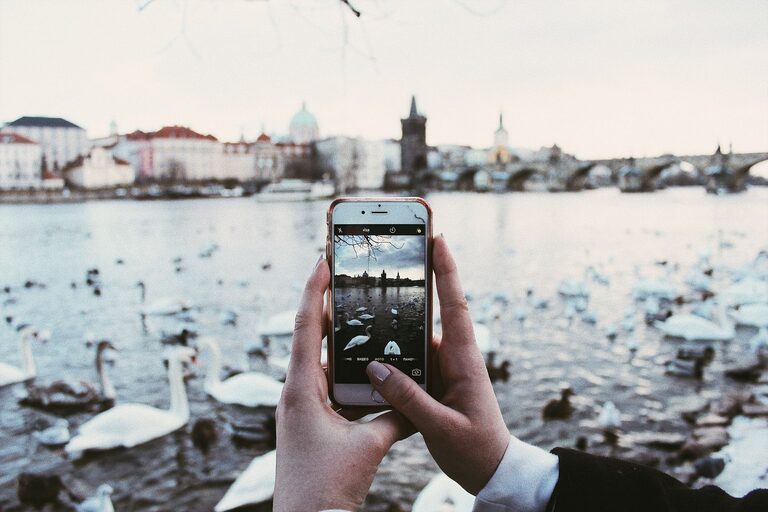
Taking great photos with your phone can be easier than you think. With the right techniques and a bit of practice, you can capture beautiful images that look professional and memorable. Whether you want to snap amazing landscapes, portraits, or everyday moments, these beginner tips will help you make the most of your phone’s camera.
Understand Your Phone’s Camera Features
Most smartphones come equipped with powerful cameras packed with features. Before diving into photography, spend some time exploring your camera app:
– Explore camera modes: Try modes like portrait, panorama, or night mode to see how each affects the photo.
– Focus and exposure: Tap on the screen to set focus and adjust brightness for clearer and better-lit shots.
– Use the grid: Enable grid lines in settings to help you compose balanced photos using the rule of thirds.
Knowing your camera options helps you take full advantage of what it offers.
Keep Your Lens Clean
A simple but often overlooked step is keeping your camera lens clean. Because phones are handled frequently, fingerprints and dust can blur your photos. Use a soft, lint-free cloth to gently wipe the lens before shooting.
Pay Attention to Lighting
Lighting is one of the most important factors in photography. Good light makes your photos look more vibrant and sharp.
– Use natural light: Whenever possible, shoot in daylight or well-lit areas to avoid grainy images.
– Avoid harsh midday sun: The bright, direct sun around noon can create strong shadows. Early morning or late afternoon light is softer and more flattering.
– Position your subject: Face your subject towards the light source to illuminate details. Avoid backlighting unless you want a silhouette effect.
If shooting indoors, try to use window light or additional lamps for better illumination.
Compose Thoughtfully
Composition refers to how elements are arranged within your photo. Good composition grabs attention and tells a story.
– Rule of thirds: Imagine dividing your frame into a 3×3 grid. Place your main subject along these lines or their intersections for a natural balance.
– Fill the frame: Get closer or zoom in to remove distractions and focus on your subject.
– Use leading lines: Roads, fences, or rivers can guide the viewer’s eye through the picture.
– Try different angles: Don’t just shoot at eye level. Crouch down, shoot from above, or try a side perspective for more interesting photos.
Experimenting with these techniques will help your images stand out.
Hold Your Phone Steady
Camera shake can cause blurry photos. To reduce this:
– Hold your phone with both hands.
– Tuck your elbows close to your body for stability.
– Lean against a wall or stable surface if needed.
– Use the volume button or a timer to avoid shaking when tapping the shutter.
Some phones also have built-in image stabilization that helps minimize blur.
Use Editing Apps Moderately
After you take the photo, editing apps can enhance colors, brightness, and sharpness. Popular apps include Snapseed, Lightroom Mobile, and VSCO.
– Adjust brightness, contrast, and saturation to make your photo pop.
– Crop to improve framing.
– Avoid heavy filters that can make images look unnatural.
Keep edits subtle to maintain a natural look.
Practice Regularly and Review Your Work
Like any skill, photography improves with practice. Try taking photos daily or whenever you have a chance. Review your pictures to learn what worked and what didn’t.
Ask yourself questions like:
– Is the subject in focus?
– Is the photo well-lit?
– Is the composition interesting?
– Could a different angle or lighting improve this shot?
Over time, you’ll develop your eye for better photos.
Bonus Tips
– Use HDR mode: This setting captures more detail in shadows and highlights, great for high-contrast scenes.
– Avoid digital zoom: Instead of zooming in, get physically closer when possible for clearer images.
– Experiment with portrait mode: Many phones blur the background to highlight your subject, perfect for portraits or close-ups.
– Turn off flash: Phone flash often creates harsh, unnatural light. Use it only when absolutely necessary.
—
By following these beginner tips, you’ll be on your way to taking better phone photos with confidence. Remember, photography is about creativity and enjoying the moment, so have fun capturing the world around you!