
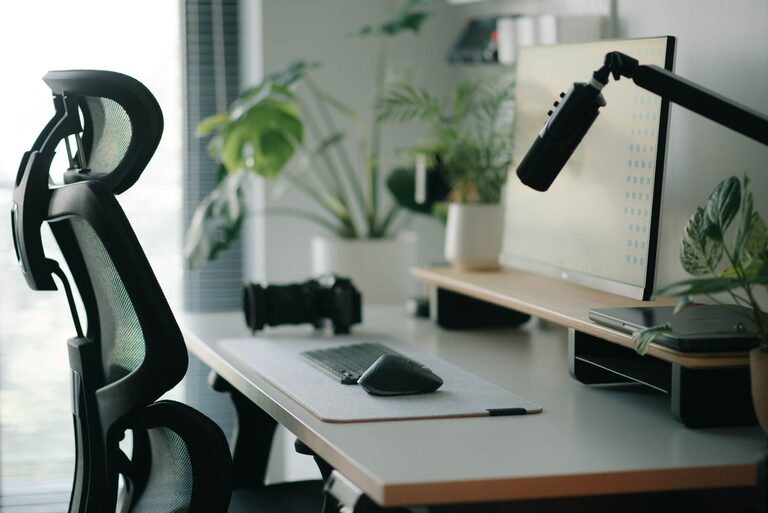
Creating a desk setup that promotes both focus and comfort can dramatically improve your productivity and overall well-being. Whether you work from home, in an office, or study frequently, your workspace plays a key role in how effectively you use your time and how comfortable you feel during long hours. In this post, we’ll explore practical tips to help you design a desk setup that supports concentration and reduces strain.
Why Your Desk Setup Matters
An organized and ergonomic workspace helps you maintain good posture, minimizes distractions, and keeps necessary tools within reach. When your desk setup is tailored to your needs, you’re less likely to experience fatigue, discomfort, or loss of focus, which all contribute to a more productive day.
Choose the Right Desk and Chair
Desk Selection
Start with a desk that fits your space and work style. Consider these factors:
– Size: Ensure the desk is large enough for your computer, documents, and any other equipment without feeling cluttered.
– Height: A standard desk height is around 28 to 30 inches, but adjustable desks allow you to customize for comfort and even switch between sitting and standing.
Chair Selection
Your chair should support your back and encourage good posture.
– Look for adjustable height, lumbar support, and a comfortable seat cushion.
– Consider chairs with armrests to reduce shoulder strain.
– If you sit long hours, invest in quality ergonomic chairs designed for prolonged use.
Position Your Equipment Wisely
Monitor Placement
– Place your monitor directly in front of you at eye level to prevent neck strain.
– Keep about an arm’s length distance between your eyes and the screen.
– Use a monitor stand if necessary to achieve the correct height.
Keyboard and Mouse
– Position your keyboard and mouse so your elbows are close to your body and form a 90-degree angle.
– Keep them at the same level to avoid wrist strain.
– Consider using an ergonomic keyboard or mouse pad with wrist support.
Optimize Lighting for Comfort and Focus
Good lighting reduces eye strain and improves alertness.
– Use natural light whenever possible by positioning your desk near a window.
– Avoid glare on your screen by adjusting blinds or repositioning your monitor.
– Use a desk lamp with adjustable brightness and a warm light tone for task lighting.
Keep Your Desk Organized
Clutter can distract your mind and reduce efficiency. Try these tips:
– Use desk organizers or trays to keep stationery, documents, and accessories tidy.
– Regularly clean your desk to maintain a fresh and inviting workspace.
– Limit personal items to a few favorites to maintain focus without feeling sterile.
Add Comfort and Personal Touches
Creating a workspace you enjoy can improve your mood and motivation.
– Add a small plant for a touch of nature, which can also improve air quality.
– Use a comfortable wrist rest or footrest to reduce physical strain.
– Choose calming colors for desk accessories or wall art to create a relaxing environment.
Manage Cables and Wiring
Tidy cables help prevent distractions and potential hazards.
– Use cable clips, ties, or sleeves to bundle wires together.
– Consider wireless peripherals where possible to reduce clutter.
– Place power strips out of the way but easily accessible.
Incorporate Movement into Your Routine
A static desk setup can lead to stiffness and discomfort.
– Use a sit-stand desk or alternate between sitting and standing during the day.
– Take short breaks to stretch and move around every hour.
– Consider ergonomic accessories like a balance board or under-desk bike.
Set Up for Your Workflow
Your desk setup should match how you work.
– Keep frequently used items within arm’s reach.
– Use dual monitors if your work involves multitasking.
– Incorporate digital tools like calendar widgets or note-taking apps to stay organized.
Final Thoughts
A well-designed desk setup is an investment in your comfort and productivity. By focusing on ergonomics, lighting, organization, and personal touches, you can create a workspace that helps you stay focused and comfortable throughout the day. Regularly assess your setup and be open to adjustments as your needs change.
Remember, the ideal workspace is one that supports your health and work habits, enabling you to perform at your best with ease. Give these tips a try to transform your desk into a space that inspires focus and well-being.